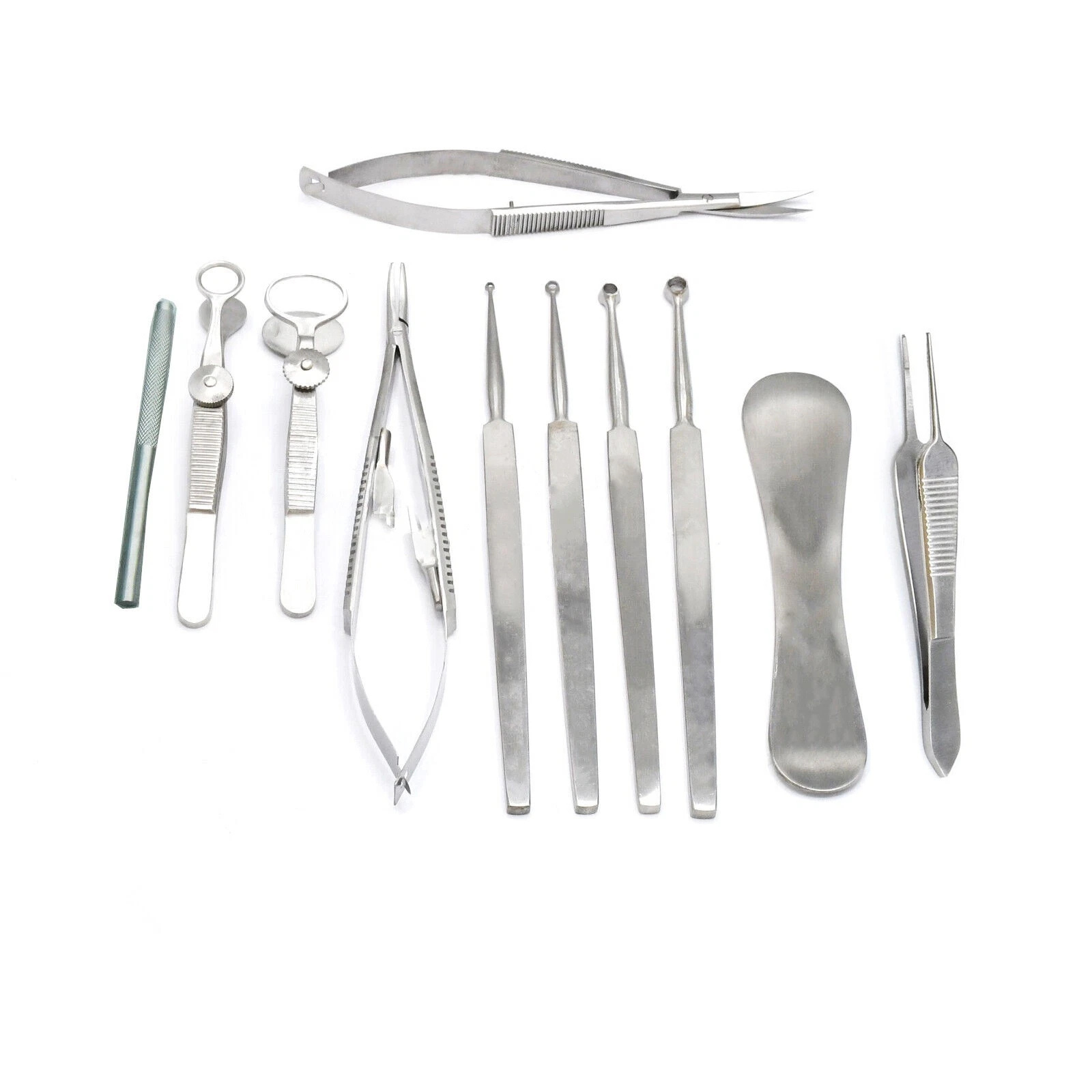
Eye surgery is a delicate medical procedure that requires precision, expertise, and specialized tools. For beginners in the medical field, understanding the purpose and function of eye surgery instruments is essential for both learning and professional practice. These instruments are designed to ensure accuracy, minimize risk, and enhance patient outcomes during various ophthalmic procedures.
Understanding Eye Surgery Instruments
Eye surgery instruments are specifically crafted to address the unique requirements of eye anatomy. They are often lightweight, finely balanced, and equipped with precision tips to handle delicate tissues. Whether it’s for cataract removal, corneal transplantation, or corrective surgeries, each instrument has a dedicated role in achieving surgical success.
Some of the most common categories of eye surgery instruments include:
-
Forceps for grasping and holding tissue.
-
Scissors for precise cutting.
-
Speculums to keep the eyelids open during procedures.
-
Cannulas for fluid delivery or removal.
-
Micro-surgical knives for corneal or lens incisions.
Why High-Quality Instruments Matter
In eye surgery, even a fraction of a millimeter can make a significant difference. High-quality eye surgery instruments are not only durable but also provide a higher degree of accuracy, reducing surgical complications. Investing in premium tools ensures that the surgeon can work with confidence and maintain the highest standards of patient care.
Cross-Specialty Use of Surgical Tools
Interestingly, many instruments designed for ophthalmology can also find applications in other medical specialties. For example, dental elevators are primarily used in dentistry to loosen teeth or remove roots, but similar precision concepts apply when designing delicate tools for eye surgery. Likewise, procedures like sinus lift in dentistry demand tools with exceptional accuracy—skills and principles that overlap with eye surgery.
Similarly, a luxating tooth procedure in dentistry requires gentle yet firm handling of tissues, much like the care required when manipulating delicate ocular structures. While dental implants cheap may refer to affordable tooth replacement options, the importance of reliable tools in both dentistry and ophthalmology cannot be overstated.
Building the Right Surgical Kit
For beginners, assembling a proper surgery kit is crucial. A well-prepared kit ensures that all required tools are available during a procedure, eliminating delays and reducing risks. A basic eye surgery kit may include:
-
Microsurgical forceps
-
Needle holders
-
Scissors (straight and curved)
-
Speculums
-
Spatulas and hooks
-
Irrigation and aspiration cannulas
In addition to ophthalmic tools, certain dental instruments may also be adapted for specific micro-surgical needs in eye procedures, especially in research or specialized medical settings.
Maintaining Eye Surgery Instruments
Proper maintenance of eye surgery instruments is as important as their use. This includes:
-
Cleaning – Removing all debris immediately after use to prevent corrosion or damage.
-
Sterilization – Ensuring complete elimination of microorganisms before reuse.
-
Storage – Keeping instruments in a dry, organized, and protected environment.
-
Inspection – Regularly checking for wear, dullness, or damage to maintain precision.
Final Thoughts
For beginners in the medical field, understanding and mastering eye surgery instruments is the first step toward performing safe and effective procedures. Whether you are learning ophthalmology or gaining knowledge from related disciplines like dentistry—where tools such as dental elevators, sinus lift kits, luxating tooth instruments, and dental implants cheap procedures are common—the underlying principle remains the same: quality instruments lead to quality results.
From a well-prepared surgery kit to specialized dental instruments adapted for fine work, every tool plays an important role in surgical success. By investing time in learning their functions and handling them with care, beginners can build a strong foundation for a skilled surgical career.