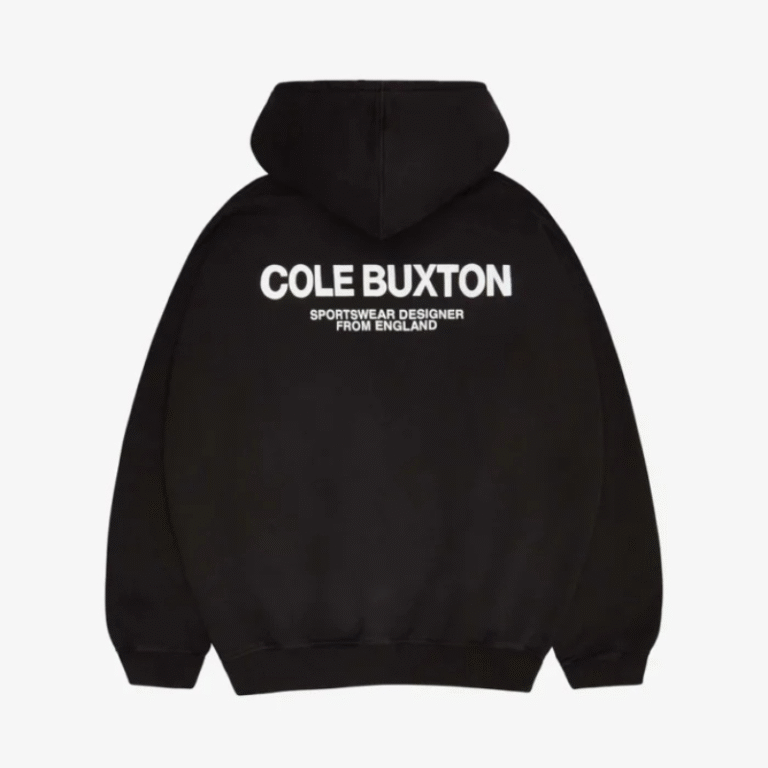
Clothing is one of the most ancient forms of human expression and necessity. Across civilizations, cultures, and time periods, garments have served as tools for protection, visual identifiers of status, canvases for self-expression, and indicators of societal trends. As fashion has evolved, so has our understanding of what constitutes “quality” and “necessity.” Among the countless categories of apparel that exist today, essentials clothing has emerged as one of the most universally relevant. These garments—basic T-shirts, hoodies, sweatpants, denim, Essential Hoodie jackets, and functional everyday pieces—form the foundation of modern wardrobes.High-quality essentials clothing” represents not only garments that perform well, but garments that deliver on longevity, comfort, construction integrity, versatility, and a timeless aesthetic. In a marketplace oversaturated with fast fashion and fleeting trends, the demand for durable, thoughtfully crafted essentials has surged. Consumers today want fewer items, but better ones. They seek ethical production, responsible sourcing, and apparel that adapts seamlessly to a wide variety of lifestyles.
This essay examines every dimension of high-quality essentials clothing in depth:
-
its historical development
-
the characteristics that differentiate low-quality from high-quality garments
-
fabric science and textile engineering
-
craftsmanship and construction
-
sustainability and ethical considerations
-
design philosophy
-
brand identity and marketing
-
consumer psychology
-
cultural significance
-
future trends
By the end of this analysis, we will have developed not only a detailed understanding of what makes essential clothing “high-quality,” but also why this category matters so profoundly in contemporary culture.
1. The Historical Evolution of Essentials Clothing
1.1 The Origins of Everyday Apparel
While fashion trends have changed drastically over centuries, the concept of “essentials” has always existed. In ancient civilizations, garments served functional purposes:
-
protection from climate
-
modesty
-
ease of movement
-
ceremonial identity
From ancient Egyptian linen tunics to Roman togas, Chinese hanfu, and African cotton wraps, civilizations always maintained items worn regularly and items reserved for special occasions.
1.2 Industrialization and the Shift Toward Mass Production
The Industrial Revolution radically changed the clothing landscape. Prior to mechanization, garments were handmade, expensive, and generally owned in limited quantities. Essentials were truly essential—people owned a few foundational garments that lasted years.
With industrialization came:
-
cheaper production
-
standardized sizing
-
greater accessibility
-
the birth of ready-to-wear fashion
However, this shift also introduced challenges. Mass production lowered costs but often sacrificed craftsmanship, durability, and material quality.
1.3 The 20th Century and the Rise of Casualwear
By the mid-20th century, essentials evolved with lifestyle changes. The global adoption of denim jeans, cotton T-shirts, sweatshirts, sportwear, and workwear as casualwear changed wardrobe norms. Essentials became synonymous with comfort and simplicity.
Key developments included:
-
the post-WWII boom in cotton knitwear
-
the rise of universities and collegiate sportswear
-
youth culture’s adoption of T-shirts and hoodies
-
the spread of American denim globally
1.4 Essentials in the Age of Fast Fashion
The early 21st century brought fast fashion—rapid production of low-cost garments designed for short-term wear. Essentials clothing became commoditized, often at the cost of:
-
fabric integrity
-
ethical manufacturing
-
environmental sustainability
-
fair wages
Consumers began to notice the consequences: shrinking garments after a few washes, fading colors, pilling, and landfills overflowing with discarded basics.
1.5 The Renaissance of Quality: Slow Fashion and Essentials Reborn
Today, we are witnessing a renewed appreciation for high-quality essentials. This movement is driven by:
-
sustainability awareness
-
economic shifts encouraging long-lasting products
-
minimalist lifestyle trends
-
a desire for ethical consumption
-
the influence of premium basics brands
Consumers now seek fewer garments of higher quality—pieces that integrate comfort, durability, and timeless design.
2. Defining High-Quality Essentials Clothing
High-quality essentials share several universal characteristics across categories and brands.
2.1 Durability
Materials and construction must withstand frequent use and washing. High-quality essentials resist:
-
color fading
-
pilling
-
stretching
-
seam splitting
-
fiber breakdown
Durability often comes from fabric density, fiber quality, and reinforced construction methods.
2.2 Comfort
Essentials are worn daily, so comfort is non-negotiable. Factors influencing comfort include:
-
softness
-
breathability
-
temperature regulation
-
ergonomic fit
-
natural stretch or engineered elasticity
2.3 Timeless Aesthetic
High-quality essentials avoid excessive trend dependence. Their appeal comes from:
-
clean lines
-
neutral or versatile colors
-
classic silhouettes
-
simple but refined detailing
2.4 Fit and Ergonomics
Precision in patternmaking separates premium essentials from mass-market ones. A well-fitting T-shirt or hoodie demonstrates:
-
accurate grading across sizes
-
proportional balance
-
mobility allowance
-
attention to body variations
2.5 Ethical and Sustainable Production
Modern consumers increasingly evaluate a garment’s quality through:
-
sourcing of materials
-
labor conditions
-
environmental impact
-
biodegradability
-
industry certifications
High-quality essentials reflect responsibility across the entire supply chain.
3. Fabric Science: The Foundation of High-Quality Essentials
3.1 Cotton: The Backbone of Essentials
Cotton remains one of the most widely used fabrics in essentials clothing. However, quality varies significantly.
3.1.1 Types of Cotton
-
Regular Cotton – short staple fibers; less durable
-
Long-Staple Cotton (LSC) – smoother, stronger, more lustrous
-
Egyptian Cotton – luxurious long-staple cotton
-
Pima Cotton – extremely soft and resistant to pilling
-
Organic Cotton – grown without pesticides, environmentally safer
Premium essentials typically use high-staple cottons for:
-
improved durability
-
a smoother hand-feel
-
deeper color absorption
-
reduced pilling
3.2 Fleece and French Terry
Sweatshirts and hoodies typically use:
-
french terry — lightweight, breathable loops
-
fleece — brushed interior for warmth
Fabric weight is crucial:
-
450–600 gsm fleece = premium heavyweight
-
300–450 gsm = midweight
-
<300 gsm = lightweight
3.3 Blended Fabrics
Blends such as cotton-poly, cotton-modal, and cotton-spandex are used to enhance:
-
stretch
-
moisture management
-
durability
-
wrinkle-resistance
Modal and bamboo blends add silk-like softness.
3.4 Wool and Cashmere in Essentials
Merino wool is increasingly used in essentials for its:
-
odor resistance
-
thermoregulation
-
softness
Cashmere, though luxurious, can be responsibly sourced through recycled fiber programs.
3.5 Innovations in Sustainable Textiles
Modern essentials incorporate:
-
Tencel (lyocell) — sustainable, moisture-absorbing
-
organic hemp — strong, antibacterial
-
recycled polyester — reduces waste
-
bio-based fibers — from algae, pineapple, or bamboo
These innovations elevate quality while reducing environmental harm.
4. Construction and Craftsmanship
High-quality construction is the difference between a garment that lasts 3 washes and one that lasts 3 years.
4.1 Stitching Quality
Signs of strong construction:
-
double-needle stitching
-
reinforced seams
-
even stitch length
-
bar-tacked stress points
4.2 Pattern Drafting and Fit Engineering
Premium essentials invest heavily in pattern development. This ensures:
-
consistent fit across sizes
-
anatomical shaping
-
proportional balance
-
ease of movement
4.3 Garment Dyeing and Wash Treatments
High-end essentials often use:
-
garment dyeing for deep, unique color
-
enzyme washing for softness
-
stone washing for texture
-
reactive dyes for long-lasting color
These processes enhance aesthetics and comfort.
4.4 Finishing Techniques
Finishing contributes significantly to perceived quality:
-
pre-shrinking
-
anti-pilling treatment
-
water-resistance finishes
-
softening washes
-
reinforced necklines
5. Categories of High-Quality Essentials Clothing
Below is a deep analysis of each major essentials category.
5.1 T-Shirts
5.1.1 Characteristics of premium tees:
-
thick, tightly knit cotton
-
long-staple fibers
-
ribbed collars that don’t warp
-
shoulder taping
-
minimal shrinkage
5.1.2 Packaging and Presentation
Premium essentials often use eco-friendly packaging, folded carefully—not compressed or vacuum-packed, which wrinkles fibers.
5.2 Hoodies and Sweatshirts
Premium hoodies use:
-
heavyweight fleece (450–600 gsm)
-
double-lined hoods
-
ribbed cuffs with elastane
-
kangaroo pockets with reinforced stitching
-
YKK metal zippers for full-zips
They feel substantial, warm, and built to last.
5.3 Sweatpants and Joggers
Quality sweatpants feature:
-
thick French terry or fleece
-
structured yet comfortable fit
-
reinforced waistband stitching
-
high-quality drawcords
-
heavyweight ribbing
5.4 Denim
Premium essentials denim includes:
-
selvedge denim
-
raw or washed options
-
chain-stitched hems
-
reinforced pockets
-
premium rivets
Fit options (straight, tapered, wide) reflect modern tailoring principles.
5.5 Outerwear Essentials
Jackets, bombers, and lightweight coats in essentials collections emphasize:
-
water-resistant fabrics
-
ergonomic armholes
-
durable metal hardware
-
reinforced collars and cuffs
6. The Psychology Behind Essentials Clothing
6.1 Minimalism and Wardrobe Efficiency
People increasingly seek wardrobes that:
-
reduce decision fatigue
-
simplify daily routines
-
eliminate clutter
-
emphasize versatility
6.2 The Rise of “Uniform Dressing”
Many adopt a consistent everyday wardrobe to:
-
improve productivity
-
create personal identity
-
avoid trend-based purchases
6.3 The Status of Quality Over Quantity
Owning fewer, better garments is now a social signal of:
-
responsibility
-
style maturity
-
sustainability awareness
7. Branding and Marketing of Essentials Clothing
7.1 Storytelling and Emotional Branding
High-quality essentials brands emphasize:
-
heritage
-
craftsmanship
-
sustainability narratives
Consumers value transparency.
7.2 Visual Minimalism
Branding typically uses:
-
neutral palettes
-
clean fonts
-
understated visuals
This signals sophistication and timelessness.
7.3 Community Building
Successful essentials brands cultivate:
-
social media communities
-
lifestyle imagery
-
educational content about fabrics
8. Sustainability and Ethics
8.1 Supply Chain Transparency
Consumers expect clarity on:
-
fiber sourcing
-
labor conditions
-
manufacturing standards
8.2 Eco-Friendly Materials
Premium essentials often use:
-
organic cotton
-
recycled materials
-
biodegradable packaging
8.3 Circular Fashion Systems
Brands increasingly offer:
-
recycling programs
-
repair services
-
buy-back initiatives
9. Cultural Significance of Essentials Clothing
9.1 Essentials as a Reflection of Modern Identity
Basics symbolize:
-
authenticity
-
confidence
-
simplicity
9.2 Influence of Streetwear and Youth Culture
Essentials have been shaped by:
-
skateboard culture
-
hip-hop influence
-
sportswear aesthetics
9.3 Gender-Neutral and Inclusive Design
Many essentials are now unisex, accommodating a wider audience.
10. The Future of High-Quality Essentials Clothing
10.1 Smart Fabrics and Technology
Future essentials may include:
-
moisture-regulating fibers
-
temperature-adaptive fabrics
-
antibacterial coatings
10.2 On-Demand Manufacturing
Reducing waste by producing only what is ordered.
10.3 Enhanced Personalization
Custom fit, color, and length options.
Conclusion
High-quality essentials clothing represents the intersection of craftsmanship, science, culture, and sustainability. It is clothing designed to endure, to perform, and to simplify the everyday experience of dressing. In a world drifting away from overconsumption and toward intentional living, essentials have become symbolic of a new fashion ethos: fewer, better, timeless, responsible.
These garments form the backbone of modern wardrobes because they respect the wearer—providing comfort, durability, fit, ethics, and adaptability. From fabric selection to construction methods, from minimalist aesthetics to sustainable practices, high-quality essentials embody a philosophy that places long-term value over short-lived trends.
As the fashion world evolves, essentials clothing will continue to set the standard for balance between utility and style, becoming not only the foundational layer of how we dress—but a reflection of how we choose to live.