Python is often misunderstood as a “slow” or “small-project” language. In reality, Python powers some of the largest, most complex applications in the world—from cloud platforms to AI systems handling millions of users.
So how does Python handle large-scale applications in 2026?
Let’s break down the architecture, performance strategies, and real-world practices that make Python scalable.
Why Python Is Used for Large-Scale Systems
Python’s success at scale comes from readability, flexibility, and a massive ecosystem.
Key Strengths
-
Clean and maintainable codebase
-
Rapid development and iteration
-
Huge library and framework ecosystem
-
Strong community and long-term support
Large teams can collaborate efficiently because Python code is easy to read and maintain—even as systems grow.
Scalable Architecture Patterns in Python
1. Microservices Architecture
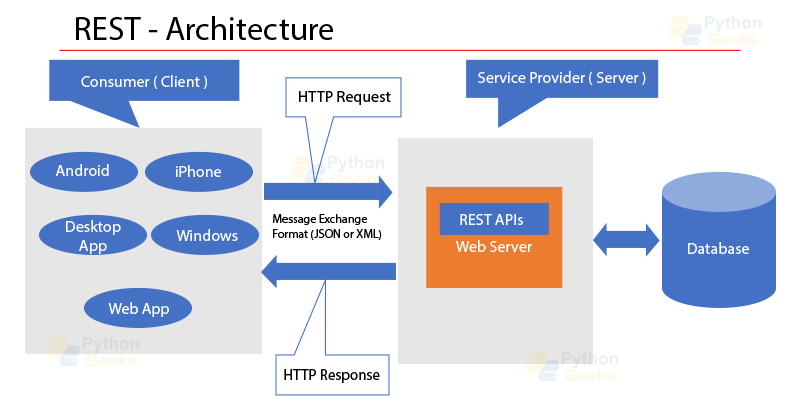
Python is widely used in microservices-based systems, where applications are broken into independent services.
Benefits
-
Independent scaling
-
Easier maintenance
-
Faster deployments
Frameworks like Django, Flask, and FastAPI support service-oriented design extremely well.
2. Asynchronous & Concurrent Processing
Large-scale systems must handle thousands of concurrent requests.
Python achieves this through:
-
Async frameworks (FastAPI, asyncio)
-
Background task queues
-
Event-driven processing
This allows Python apps to handle real-time data, APIs, and streaming workloads efficiently.
Performance Optimization at Scale

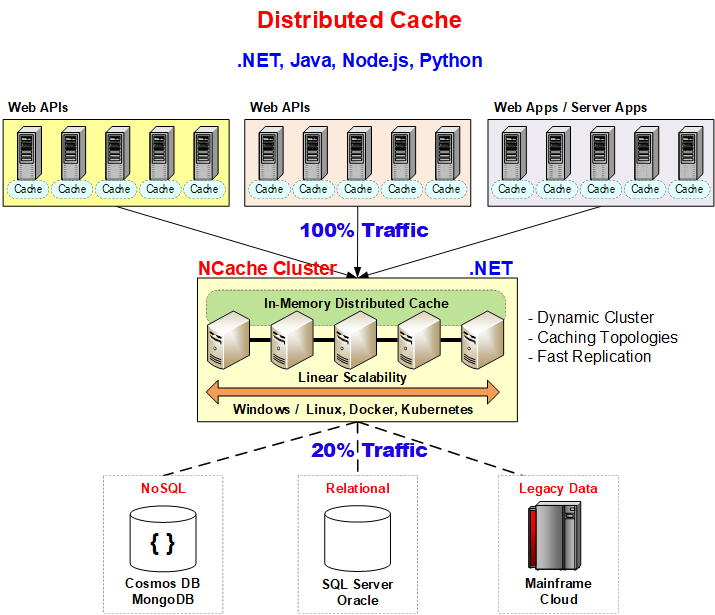
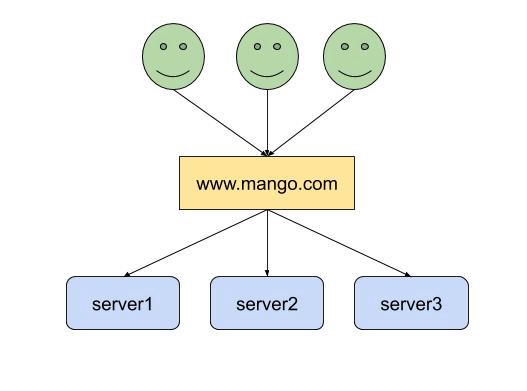
Caching & Load Distribution
Python applications rely heavily on:
-
In-memory caching
-
Reverse proxies
-
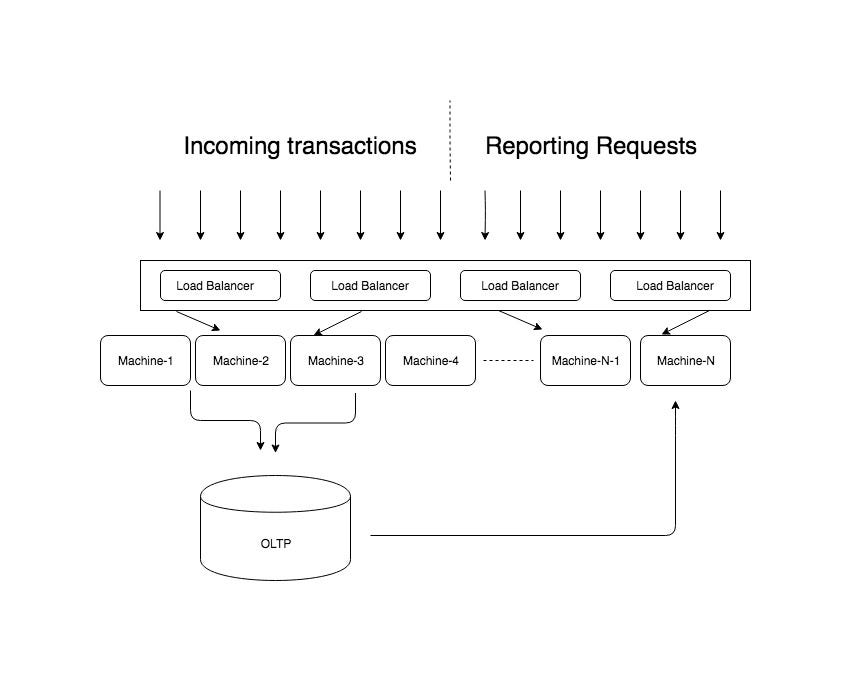
Load balancers
These techniques reduce server load and improve response times dramatically.
Database Optimization
Large Python applications use:
-
Efficient ORM queries
-
Read/write replicas
-
Connection pooling
-
NoSQL + SQL hybrid models
Smart database design plays a bigger role than raw language speed.
⚠️ Mid-Content Insight: People Matter More Than the Language
At scale, Python’s success depends heavily on how it’s implemented.
This is why companies that build high-traffic platforms don’t just choose Python—they carefully Hire Python Developers with experience in:
-
Distributed systems
-
Performance optimization
-
Cloud infrastructure
-
Monitoring & observability
A poorly architected Python system will struggle—no matter how powerful the language is.
Cloud-Native Python for Enterprise Scale
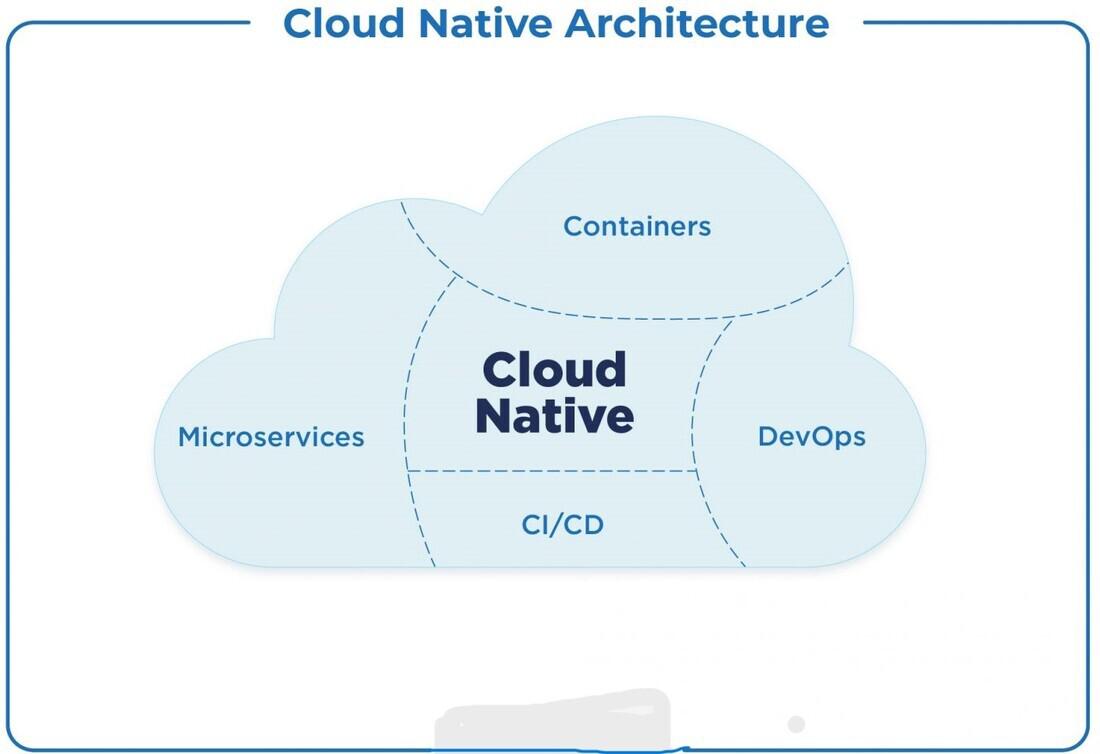
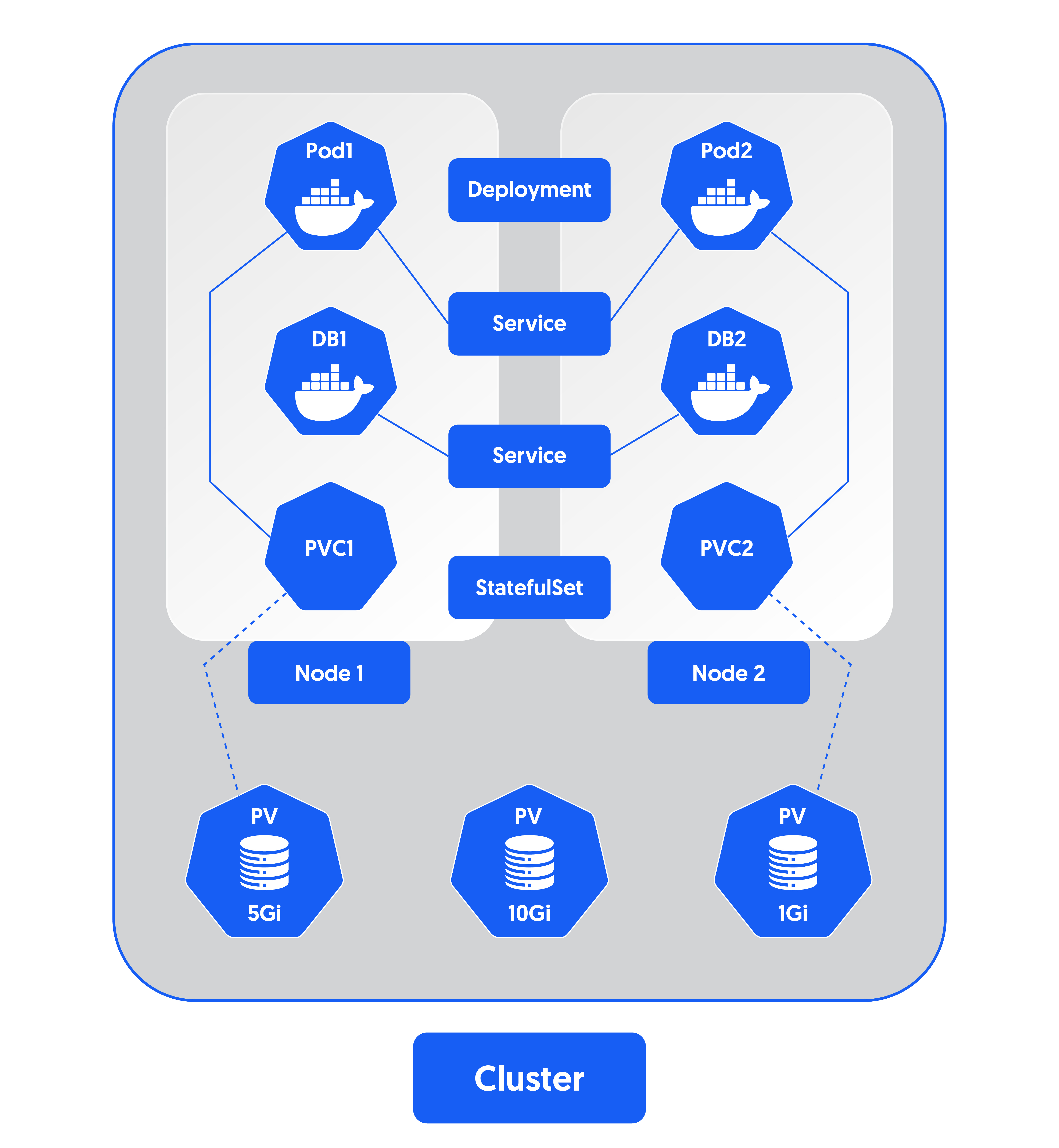

Python integrates seamlessly with modern cloud platforms.
Cloud Advantages
-
Horizontal scaling
-
Auto-healing infrastructure
-
Serverless execution
-
Containerized deployments
Python applications run efficiently in containerized and serverless environments when designed correctly.
Monitoring, Logging & Reliability
Large-scale Python applications rely on:
-
Centralized logging
-
Performance monitoring
-
Error tracking
-
Automated alerts
These systems ensure stability even under heavy load.
Real-World Use Cases of Python at Scale
Python powers:
-
AI & Machine Learning platforms
-
FinTech transaction systems
-
SaaS products with millions of users
-
Data processing pipelines
-
Automation platforms
Its adaptability makes it suitable for both backend services and intelligent systems.
Challenges of Python at Large Scale (And How to Overcome Them)
Common Challenges
-
Slower raw execution speed
-
Memory management issues
-
Global Interpreter Lock (GIL)
Practical Solutions
-
Horizontal scaling
-
Asynchronous processing
-
Offloading heavy computation
-
Using optimized libraries
When designed correctly, these limitations rarely become bottlenecks.
Final Thoughts
Python handles large-scale applications not by being the fastest language—but by being the most efficient for building, maintaining, and scaling complex systems.
With the right architecture, tooling, and expertise, Python remains a top choice for enterprise-grade applications in 2026.
Hire Python Developers Who Build for Scale
If you’re planning to build or scale a high-traffic system, success depends on execution—not just technology.
Hire Python Developers who understand performance, scalability, and cloud-native architecture.
Talk to our Python experts and build large-scale systems that last.