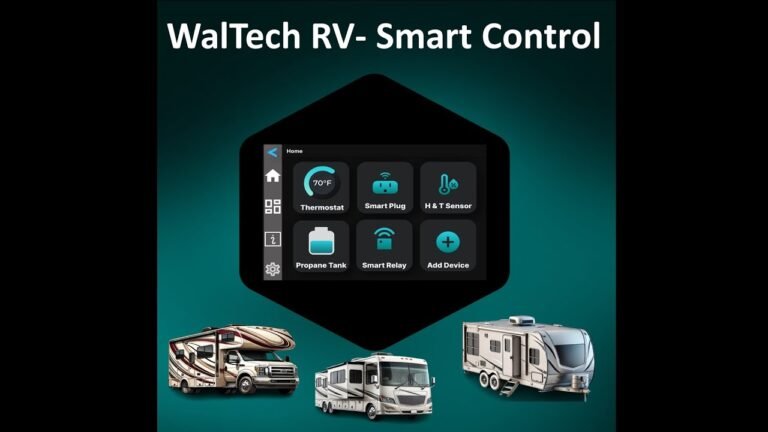
For many RV travelers, the freedom of the open road is about more than just adventure—it’s about comfort, sustainability, and smart energy management. As technology evolves, one innovation is quietly reshaping how RVers experience temperature control and energy efficiency: the RV Thermostat Upgrade. The new generation of thermostats goes far beyond simple temperature settings, integrating cutting-edge smart technology that helps travelers save energy, extend battery life, and enjoy greater comfort wherever their journey takes them.
This blog explores how these modern thermostats are transforming the RV lifestyle, what makes them superior to traditional models, and how RVers can take advantage of these upgrades to travel smarter and greener.
The Shift Toward Smarter RV Living
In recent years, the RV industry has undergone a technological revolution. Solar panels, lithium batteries, and energy-efficient appliances have become standard in many modern rigs. However, one overlooked yet highly impactful upgrade is the thermostat.
Older RV thermostats were typically analog, relying on basic sensors that could fluctuate by several degrees before responding to temperature changes. This inconsistency not only wasted energy but also led to discomfort. Modern RV Thermostat Upgrades have completely changed that equation. These advanced units now feature smart temperature sensors, remote control via smartphone apps, and even learning algorithms that adapt to the traveler’s lifestyle.
By upgrading to a new-generation RV thermostat, travelers can precisely control their indoor climate, whether parked in a sunny desert or a chilly mountain pass.
Why Energy Efficiency Matters on the Road
Energy management in an RV isn’t just about convenience—it’s about sustainability and cost savings. Most RVs rely on limited power sources such as batteries, propane, or shore power connections. Inefficient heating and cooling systems can quickly drain these resources, forcing travelers to refuel or recharge more often.
A modern RV Thermostat Upgrade can help mitigate these challenges by:
- Reducing energy waste: Smart thermostats regulate temperature more accurately, preventing overcooling or overheating.
- Optimizing HVAC performance: Some models integrate with smart HVAC systems, automatically adjusting fan speeds and compressor cycles to minimize energy use.
- Extending battery life: For off-grid travelers relying on solar or battery power, energy efficiency means longer stays in remote locations without worrying about power depletion.
- Lowering propane consumption: Many RV thermostats control propane furnaces. Smarter scheduling and temperature precision mean less propane burned.
Ultimately, saving energy translates into longer adventures, reduced environmental impact, and lower operating costs—a win for both the traveler and the planet.
Features Defining the New Generation of RV Thermostats
Not all thermostats are created equal. The latest RV Thermostat Upgrades come with features that push the boundaries of what travelers expect from climate control systems. Here are some of the most impactful innovations:
- Wi-Fi and Bluetooth Connectivity:
Remote access allows users to monitor and adjust their RV’s temperature through a mobile app, even when they’re away from the vehicle. Whether hiking a trail or visiting a local market, travelers can return to a perfectly cooled or heated RV. - Programmable Schedules:
Unlike older thermostats that required manual adjustment, new models enable users to set daily or weekly schedules. This ensures the system runs only when needed, conserving both energy and fuel. - Adaptive Learning:
Some advanced thermostats “learn” user habits over time. They analyze when the RV is occupied and automatically adjust settings for maximum comfort and efficiency. - Multi-Zone Temperature Control:
For larger RVs or fifth wheels, zoning technology allows separate climate control in different sections—living areas, bedrooms, or storage compartments—reducing unnecessary energy use. - Integration with Smart Home Systems:
Modern RV thermostats can connect with smart ecosystems, allowing users to control lighting, fans, and HVAC systems from a single interface.
Comparing Performance: Old vs. New
When comparing older mechanical thermostats to the latest digital models, the advantages are clear. Traditional thermostats often have a wide temperature swing, meaning they might let the cabin cool or heat several degrees beyond the set point before responding. This results in wasted energy and inconsistent comfort.
In contrast, a new-generation RV Thermostat Upgrade maintains temperature within a much tighter range. Digital sensors react instantly to changes, while energy-saving algorithms reduce compressor cycling. Studies have shown that modern thermostats can improve energy efficiency by up to 20–30% compared to analog models—an impressive improvement that directly translates to lower energy costs and a reduced environmental footprint.
Installation: Easier Than Ever
One of the biggest hesitations travelers have about upgrades is installation. Fortunately, most new RV thermostats are designed for straightforward, user-friendly installation. Many models are compatible with existing wiring and HVAC systems, meaning RV owners can replace their old units in under an hour with basic tools.
For those who prefer professional help, certified technicians—like those partnered with Waltech RV—can ensure proper installation and calibration for optimal performance. Waltech RV specializes in advanced RV technology and offers expert guidance on selecting the best thermostat for your specific setup.
Real-Life Benefits: Traveler Testimonials
RVers who have made the switch report tangible differences in their daily experience. One full-time traveler noted that after upgrading, their power consumption dropped significantly during summer trips through Arizona. Another user mentioned improved sleep quality thanks to consistent nighttime temperatures.
Beyond comfort, the biggest takeaway has been freedom. With better energy management, RVers can extend their off-grid stays and spend more time exploring without the stress of power limitations.
The Environmental Advantage
Every watt saved matters. As the RV community becomes more eco-conscious, energy-efficient technologies are no longer just a luxury—they’re a responsibility. A smart RV Thermostat Upgrade contributes to this sustainability by minimizing energy waste and optimizing the performance of heating and cooling systems.
When combined with solar panels and lithium batteries, a modern thermostat becomes part of a comprehensive energy strategy that aligns with eco-friendly travel practices. It’s a small step that makes a significant difference in reducing carbon emissions while preserving comfort and convenience on the road.
Conclusion: A Smarter, Greener Future with Waltech RV
Energy efficiency is the new currency of freedom for RV travelers. With the new generation of smart thermostats, RVers can now enjoy superior comfort, extended battery life, and greater sustainability—without sacrificing adventure.
If you’re looking to embrace the future of smart RV living, now is the perfect time for an RV Thermostat Upgrade. Whether you’re upgrading for efficiency, convenience, or sustainability, Waltech RV is your trusted partner for premium RV technology solutions designed to make your travels smoother and greener.
“Waltech RV – Redefining Comfort and Efficiency with Every RV Thermostat Upgrade.”
FAQs About RV Thermostat Upgrade
- Why should I consider upgrading my RV thermostat?
An upgraded thermostat offers precise temperature control, energy savings, and smart features like remote access and programmable scheduling, making it an essential upgrade for any modern RV. - Are smart RV thermostats compatible with older RVs?
Yes, most modern thermostats are designed to fit existing wiring systems, making installation simple for both older and newer RV models. - How much energy can I save with a new RV thermostat?
Depending on your setup and travel habits, a smart thermostat can improve energy efficiency by 20–30%, reducing both fuel and electricity costs. - Can I install an RV thermostat myself?
Many models are DIY-friendly and can be installed in under an hour, though professional installation is recommended for optimal performance. - Does a smart thermostat work with both AC and heating systems in an RV?
Absolutely. Most smart RV thermostats are compatible with multi-zone HVAC systems, allowing you to manage both heating and cooling functions seamlessly.